
2026 Buyers Guide
Best Falls Prevention Technology 2026
Features, evidence, pricing and fit by segment. An honest comparison.
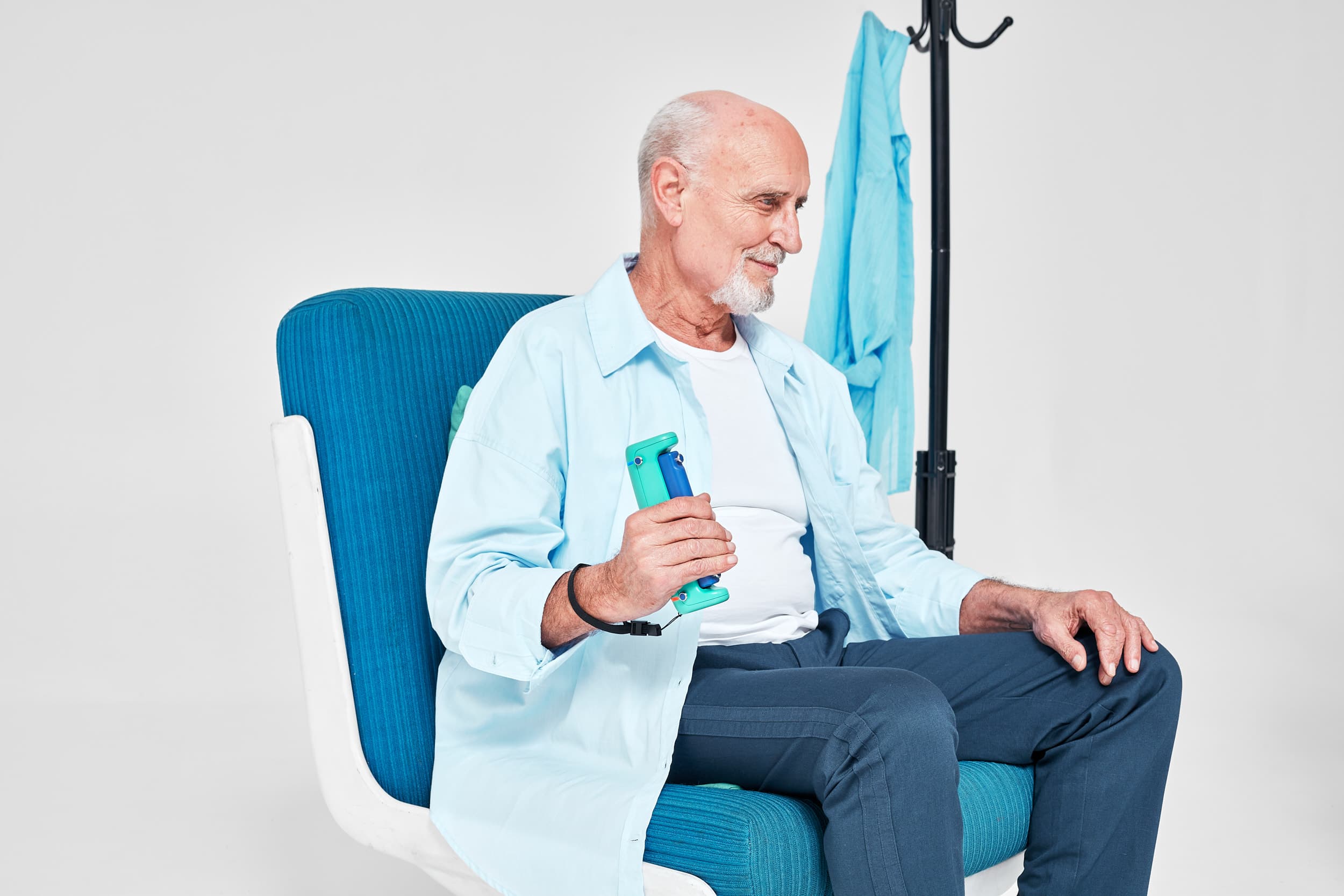
Able Assess vs traditional falls prevention methods
Fall detection tools like SafelyYou respond after a fall happens. Balance training apps like Nymbl push exercises but do not screen risk. Paper assessments take 20+ minutes, are scored subjectively and rarely feed into a care plan. Able Assess screens every resident objectively in under five minutes, stratifies risk automatically and hands the operator a standardized workflow they can roll out to every site.
Feature
Able Assess
Paper Assessments
Fall Detection
Balance Training
Category
Falls prevention (upstream screening)
Falls prevention (manual)
Falls response (post-event)
Wellness (exercise)
Time per assessment
Under 5 minutes
20+ minutes
N/A (passive)
N/A (ongoing)
Objective scoring
Yes, four validated metrics
No, subjective observation
Video review only
No clinical scoring
Standardized across sites
Yes, one protocol everywhere
No, varies by clinician
Camera placement varies
Self-directed
Usable by non-clinical staff
Yes, minimal training
Requires clinical training
IT setup required
Consumer self-serve
Care plan integration
Automated risk banding and routing
Manual transcription
Alert-based
None
Regulatory alignment
FDA listed, CE marked, ISO 27001, NICE 2025
No formal listing
FDA cleared (video AI)
No clinical listing
Longitudinal tracking
Yes, trend dashboards
Paper-based, inconsistent
Incident logs
Exercise adherence only
Backed by the research
Objective, multifactorial falls risk screening has been shown to reduce falls by 25%.
— Able Care 2026 Falls Prevention Commercialization Strategy
Real results from real operators
See how organizations are using Able Assess to improve care quality and operational efficiency.