Four dimensions of functional health
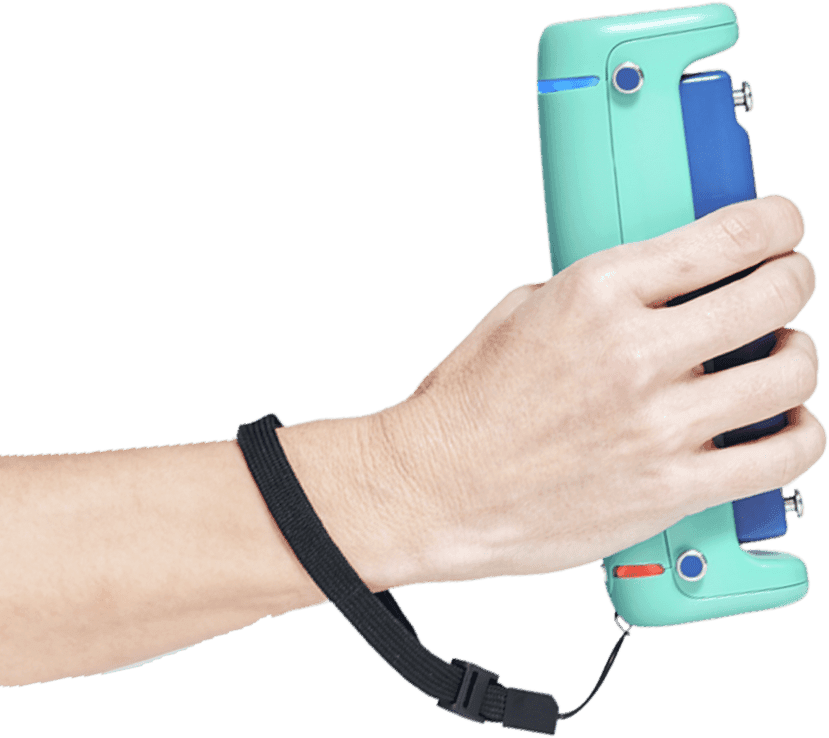
Grip Strength (kg)
Gait Speed (m/s)
Physical Performance (SPPB or TUG)
Body Composition
Use cases across care settings
GLP-1 Monitoring
Patients on semaglutide or tirzepatide need monitoring for muscle-sparing weight loss. Up to 40% of weight lost on GLP-1 agonists can be lean mass. Grip strength detects adverse muscle loss early, before it affects function or independence.
Oncology Pre-habilitation
Baseline measurement before chemotherapy or surgery establishes a functional reference point. Repeat assessment every four to six weeks tracks treatment impact. A grip strength loss greater than 2 kg signals the need for intervention.
Longevity and Preventative Health
Functional measures predict biological aging rate better than chronological age. Annual testing of grip strength, gait speed and physical performance tracks functional aging and identifies individuals who would benefit from early intervention.
Frailty Screening
Primary care and community health teams screen patients aged 65 and over. Grip strength below 27 kg for men or 16 kg for women triggers a comprehensive geriatric assessment. Early identification enables targeted prevention.
Objective measurement enables early detection. Functional decline is often invisible until a crisis event. Regular assessment with validated instruments catches the trajectory before it reaches a clinical threshold, giving care teams time to intervene.